Get Septic Installation in Lawrenceville, GA
Septic installation services for Lawrenceville, GA property owners include installing, repairing, and maintaining septic systems to prevent backups, odors, and drainage issues.
Property owners in Lawrenceville, GA, considering septic installation often explore their options to ensure the system suits their land and long-term needs. Planning such a project involves understanding local soil conditions, regulations, and the best practices for durable, effective systems. Comparing experienced service providers in the area can help property owners identify the right partners to handle this important work with confidence and peace of mind.
For those evaluating septic installation services, connecting with local contractors who understand the unique requirements of Lawrenceville properties is a practical step. These professionals can provide the expertise needed to design and install a system that meets local standards and supports the property's functionality. Continuing to explore available options helps property owners make informed decisions for their septic needs.
- Septic System Installation - needed when building a new home or replacing an outdated system in neighborhoods around Lawrenceville, GA.
- Septic Tank Replacement - required when existing tanks fail or show signs of leaks in residential areas near Lilburn and Snellville.
- Septic System Repair - necessary to address backups, odors, or drainage issues in suburban communities like Dacula and Loganville.
- Septic System Maintenance - important for homeowners seeking regular inspections and servicing in areas with aging infrastructure.
- Septic System Upgrades - suitable for upgrading to newer models or expanding capacity in established neighborhoods around Gwinnett County.
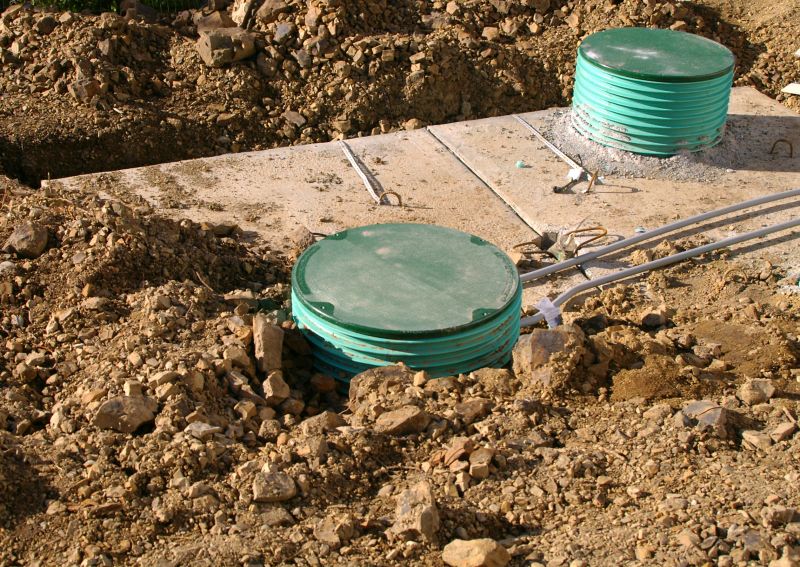
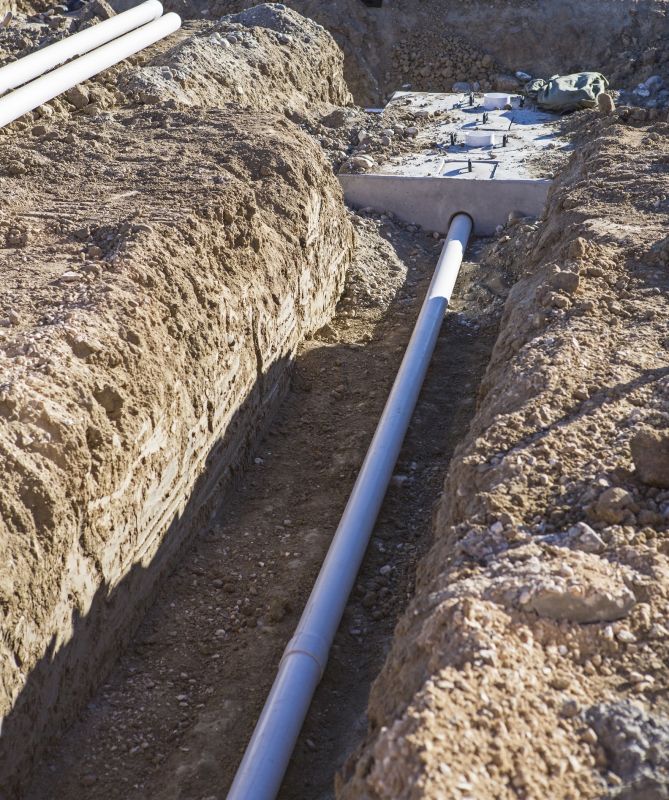
Septic installation services involve setting up a complete wastewater management system for properties that are not connected to municipal sewer lines. This process typically includes selecting the appropriate type of septic system, preparing the site, and installing components such as the septic tank, drain field, and piping. Experienced contractors ensure that the system is properly designed and installed to function efficiently, helping homeowners meet local health and safety standards. Proper installation is crucial for ensuring the long-term effectiveness of the septic system and avoiding future issues.
Septic systems help solve common problems associated with wastewater disposal on properties lacking access to sewer services. These issues can include backups, foul odors, slow drains, and contaminated groundwater if the system is not functioning correctly. Installing a septic system provides a reliable way to manage household waste, preventing environmental hazards and maintaining a safe living environment. Service providers can also assist with system inspections and upgrades if existing systems are failing or outdated.
Typically, properties such as rural homes, farms, or subdivisions not connected to municipal sewer lines rely on septic systems. These systems are also common in areas where local infrastructure does not support sewer connections or where property owners prefer an independent wastewater solution. Whether for a new construction or replacing an aging system, septic installation is a practical solution for maintaining proper sanitation standards on these types of properties.
Homeowners who notice signs like persistent odors, slow drains, or sewage backups may need septic installation or replacement services. Additionally, property owners planning new construction or land development often require professional septic system design and installation. By connecting with experienced local contractors, homeowners can find the right solutions tailored to their property’s needs, ensuring a functional and compliant wastewater management system.
The overview below groups typical Septic Installation projects into broad ranges so you can see how smaller, mid-sized, and larger jobs often compare in Lawrenceville, GA.
In many markets, a large share of routine jobs stays in the lower and middle ranges, while only a smaller percentage of projects moves into the highest bands when the work is more complex or site conditions are harder than average.
Smaller Repairs - Typical costs for routine septic repairs, such as fixing a leak or replacing a small component, usually range from $250 to $600. Many minor jobs fall within this range, depending on the extent of the work and parts needed.
Septic Tank Pumping - Regular pumping services generally cost between $300 and $500 for most residential systems. Larger or more complex tanks can push costs toward $600 or more, though many homes fall into the middle of this range.
Full Septic System Installation - Installing a new septic system can vary widely, with typical projects costing between $3,000 and $7,000. Larger, more complicated installations may exceed $10,000, but most standard setups are completed within the middle of this range.
Full System Replacement - Replacing an entire septic system often ranges from $6,000 to $15,000, depending on soil conditions and system size. While some high-end or complex projects can reach higher costs, many replacements are completed within the lower to mid-range estimates.
Actual totals will depend on details like access to the work area, the scope of the project, and the materials selected, so use these as general starting points rather than exact figures.
Drain Field Installation - involves designing and installing underground systems for wastewater dispersal, requiring similar site evaluation and soil assessment skills as septic system setup.
Gravel Bed Construction - includes preparing gravel beds for underground utilities or drainage, sharing excavation and layering techniques used in septic system installation.
Underground Utility Installation - encompasses laying pipes and conduits below ground, requiring precise planning and trenching similar to septic piping work.
Soil Testing and Site Assessment - involves evaluating soil conditions to determine suitability for underground systems, a critical step in septic installation projects.
Drainage System Design - focuses on creating effective water runoff solutions that often involve underground piping and grading, akin to septic drain field planning.
Excavation and Site Preparation - includes clearing and preparing land for various underground installations, sharing excavation skills with septic system setup.
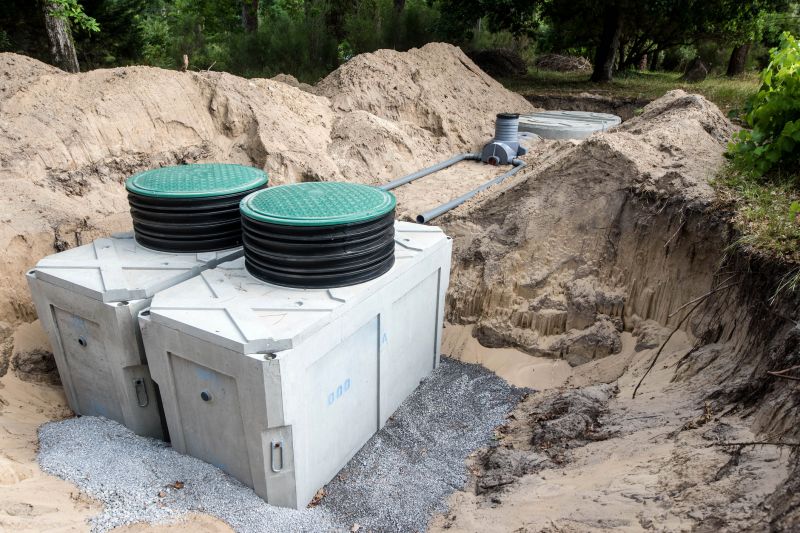
When evaluating septic installation service providers in Lawrenceville, GA, it’s important to consider their experience with similar projects. Homeowners should look for local contractors who have a proven track record of handling septic system installations in environments comparable to their own. Asking about past work can provide insight into the contractor’s familiarity with local soil conditions, regulations, and site challenges. An experienced service provider is more likely to understand the specific requirements of septic systems in the area and deliver a solution that meets the homeowner’s needs effectively.
Clear, written expectations are essential when choosing a septic installation contractor. Homeowners should seek providers who can offer detailed proposals outlining the scope of work, materials to be used, and the steps involved in the process. Having these details in writing helps prevent misunderstandings and ensures everyone is aligned on what the project entails. It’s also beneficial to request a timeline and a clear explanation of what the homeowner can expect during each phase of the installation, fostering transparency and confidence in the contractor’s professionalism.
Good communication and reputable references are key indicators of a reliable service provider. Homeowners should inquire about how the contractor communicates throughout the project and whether they are responsive to questions or concerns. Additionally, asking for references from previous clients who had similar septic systems installed can provide valuable insights into the contractor’s workmanship, reliability, and ability to meet expectations. Building a connection with a local service provider who communicates well and has a history of satisfied clients can help ensure the project proceeds smoothly and results in a septic system that functions properly for years to come.
Property owners in Lawrenceville, GA use Septic Installation services for practical projects around their homes and businesses. This guide focuses on everyday jobs and straightforward project options.
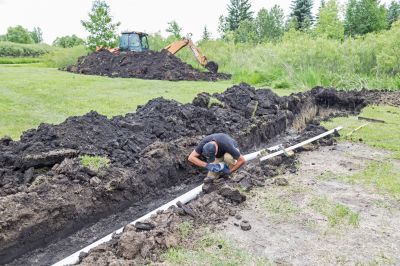
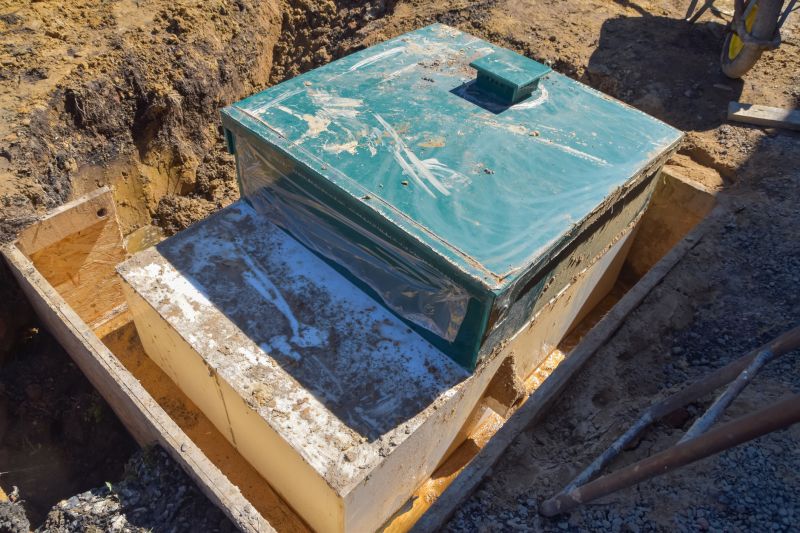
Septic installation services are often needed in Lawrenceville, GA, when property owners are building a new home or replacing an outdated system. Homeowners may notice issues like persistent odors, slow drains, or backups that signal the need for a new septic system. Local contractors can evaluate the property’s specific needs and recommend appropriate solutions to ensure proper waste management, especially in areas where municipal sewer connections are not available.
Additionally, property owners might seek septic installation when expanding their property or adding new structures, such as a guesthouse or detached garage. Properly installed septic systems help maintain the functionality of these additions while complying with local regulations. Service providers in the area can handle the entire process, from site assessment to system setup, providing a reliable solution for maintaining a functional and compliant property.
What is involved in installing a septic system? Septic installation typically includes site assessment, designing the system, excavation, and setting the septic tank and drain field. Local contractors handle these steps to ensure proper setup based on property needs.
How do I know if my property needs a new septic system? Signs such as persistent odors, slow drains, or standing water near the drain field may indicate the need for a new septic system. Service providers can evaluate your property to determine the best solution.
What types of septic systems are available for installation? There are various options including conventional, mound, and alternative systems. Local service providers can recommend the most suitable type based on soil conditions and property size.
What permits are required for septic installation in Lawrenceville, GA? Permitting requirements vary by location and are typically handled by local authorities. Contractors experienced in the area can assist with obtaining necessary approvals for installation.
What should I consider before installing a septic system? Factors such as property size, soil type, and usage needs are important. Consulting with local contractors can help determine the best system and placement for your property.
Septic System Installation - Property owners planning to build a new home or expand existing structures can explore septic installation options with nearby contractors.
Septic System Replacement - When an existing septic system shows signs of failure, local service providers can assist with replacement to ensure proper waste management.
Septic System Maintenance - Regular maintenance services help keep septic systems functioning efficiently, preventing backups and costly repairs.
Septic System Upgrades - Upgrading an outdated septic system can improve capacity and performance for growing families or additional property features.
If you are thinking about Septic Installation for a property in Lawrenceville, GA, this guide is meant to help you understand the work, the typical project types, and how different options might fit your plans.
When you are ready, you can use the quote form on this page to share a few details about your project. From there, local pros can review the basics and respond with options that match what you have in mind.